Are there sharks in puerto rico, and how dangerous are they?
Sharks of Puerto Rico: What You Need to Know (TLDR)
Sharks in Puerto Rico are more common than most visitors expect. The Caribbean Reef Shark dominates local waters, but Bull Sharks, Tiger Sharks, and occasional Great Whites have also been spotted. Attacks are extremely rare — just 2 non-fatal incidents since 1990. Divers can safely encounter sharks at La Paguera, Desecheo Island, and Mona Island.
What shark species are in Puerto Rico
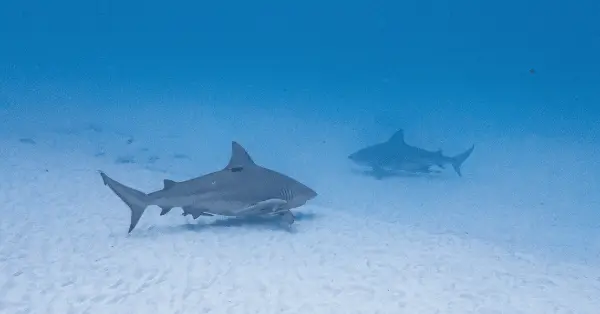
The most common shark species that is found in Puerto Rico is the Caribbean Reef Shark. This type of shark can grow up to 8 feet long and feeds mainly on fish and small marine animals. They are not considered dangerous to humans, but they may become aggressive if provoked.

Other types of sharks that can be found in the waters around Puerto Rico include Bull Sharks, Tiger Sharks, Oceanic Whitetip, and Blue Sharks.
On very rare occasions, Great White Sharks were seen in Puerto Rico. It even came to a non-fatal accident in 1966. Since then, no further Great White incidents were reported.
In addition to native sharks, several species of ray can also be found in Puerto Rican waters. The most common species of ray is the Southern Stingray, which can reach up to 5 feet in length. Rays are generally passive when it comes to humans and pose little threat.
The waters around Puerto Rico offer a great opportunity for divers and snorkelers to encounter some of the most beautiful sharks and rays on the planet. While swimming or diving in these tropical waters, it’s important to stay aware of your surroundings and take precautions against any potential dangers. With just a bit of caution, you can enjoy an unforgettable experience with some unique aquatic wildlife!
Shark species in Puerto Rico — a closer look at what lives in these waters
Caribbean Reef Sharks — behavior, habitat, and what divers and snorkelers actually encounter
Caribbean Reef Sharks are present year-round across the island’s reef systems, from shallow coral structures near San Juan to deeper wall sections off Fajardo and Aguadilla. Fast, curious animals that function as apex predators within the reef ecosystem — their presence signals a healthy, biodiverse marine environment.
Most divers describe the first encounter as surprisingly calm. The shark approaches, circles at a distance, moves on. At 8 feet they are substantial, but their feeding behavior focuses on reef fish and small marine animals. Risk of aggression is low provided divers observe rather than interfere. Feeding sharks disrupts natural behavior and creates food-association that leads to incidents over time. Responsible dive operators in Puerto Rico do not do this.
Caribbean Reef Sharks are most active at night and during dawn and dusk feeding windows. Daytime dives reveal them resting near sandy bottom areas or hovering at coral edges. The clearer the water and the healthier the reef, the more consistently they appear. Mona Island, Desecheo Island, and the reefs around La Paguera all deliver reliable sightings.
Bull Sharks in Puerto Rico — the species that warrants the most awareness
Bull Sharks occupy a different risk category than Caribbean Reef Sharks. Widely regarded as one of the more dangerous shark species globally, not because of unique aggression, but because they consistently inhabit the same shallow coastal zones where humans swim, surf, and fish. A Bull Shark does not need open ocean. It is equally comfortable in a bay, a lagoon, a river mouth, or a surf zone — overlap between Bull Shark territory and human activity is higher than with almost any other large shark species.
Where Bull Sharks are found around Puerto Rico — bays, lagoons, and coastal zones
Around Puerto Rico, Bull Sharks favor coastal areas with warm, shallow water and good prey access. The bays near Fajardo, waters surrounding Aguadilla, and coastal zones around Mona Island are all documented Bull Shark habitats. They also move through deeper offshore waters between the main island and its outlying islands, which means dive sites that transition from reef to open water can produce Bull Shark sightings at any point during a dive.
Shark attacks involving Bull Sharks in Puerto Rico remain rare despite this. Experienced divers encounter them regularly without incident. In clear water, with calm movement and no food or fishing activity nearby, encounters at established dive sites are manageable. The same cannot be said for murky near-shore conditions where accidental close contact is harder to avoid.
Tiger Sharks, Nurse Sharks, Hammerheads — the rest of Puerto Rico’s shark population
Tiger Sharks are present in Puerto Rico’s deeper offshore waters, with Mona Island being the location most associated with sightings. They reach 20 feet or more and are known as less selective feeders than most other shark species. Encounters at Puerto Rico dive sites are infrequent but not unheard of, particularly at Mona and Desecheo. The response is the same as with any large shark: observe from a respectful distance, avoid sudden movements, do not position yourself between the shark and open water.
Nurse Sharks are a common sight for snorkelers in shallow sandy areas around Puerto Rico’s reefs. Slow-moving, bottom-dwelling animals that feed on crustaceans, octopus, and small fish. Usually found resting on the seafloor or tucked into reef crevices. Passive toward humans unless physically disturbed. Accidentally stepping on or grabbing one is the most common cause of bites — which, while not typically fatal, can result in serious injury since Nurse Sharks have a strong bite and a tendency to hold on.
Oceanic Whitetip and Silky Sharks — pelagic species in serious decline
The Oceanic Whitetip was once one of the most abundant large shark species in the Atlantic. Population declines driven by commercial fishing, bycatch, and the shark fin trade have reduced numbers dramatically. Now classified as threatened on the IUCN Red List. Divers on deep open-water trips out of Puerto Rico may still encounter Oceanic Whitetips, but sightings are a notable event rather than a routine occurrence. Silky Sharks are similarly affected — pelagic, wide-ranging, and far rarer than their historical population levels would suggest.
Hammerhead Sharks and Blacktip Sharks — visual highlights at Puerto Rico dive sites
Scalloped Hammerheads and Great Hammerheads are present in Puerto Rico’s waters, with Mona Island offering the most consistent sightings on early morning dives along deeper wall sections. Their cephalofoil head structure gives wide-angle binocular vision and makes them highly effective hunters of rays, fish, and other sharks. Blacktip Sharks are more commonly encountered than hammerheads, typically appearing in groups around reef drop-offs. Their distinctive black-tipped fins make them easy to identify, and encountering a school of Blacktips at Desecheo is one of the more memorable shark experiences Puerto Rico diving offers.
Great White Sharks in Puerto Rico — one recorded incident in over 60 years
Great White Sharks are not a realistic concern for anyone diving or swimming in Puerto Rico. Warm Caribbean waters are not their preferred habitat — Great Whites favor cooler, seal-rich environments like the coasts of South Africa, California, and southern Australia. There is exactly one recorded incident involving a Great White in Puerto Rico, a non-fatal encounter in 1966. Nothing comparable has been documented since. Divers in Puerto Rican waters are far more likely to encounter a Caribbean Reef Shark, a Nurse Shark, or a ray than anything resembling a Great White.
Are there shark attacks in Puerto Rico?
Since 1990 there are 2 reported non-fatal shark incidents in Puerto Rico. In both cases, it’s not identified which shark species caused the accidents.

As you can see on the above map, two of the four accidents happen closer to the British Virgin Islands than to Puerto Rico, but we wanted to include those here. One attack was by a Bull Shark in 2003 and the other from an unidentified shark species.

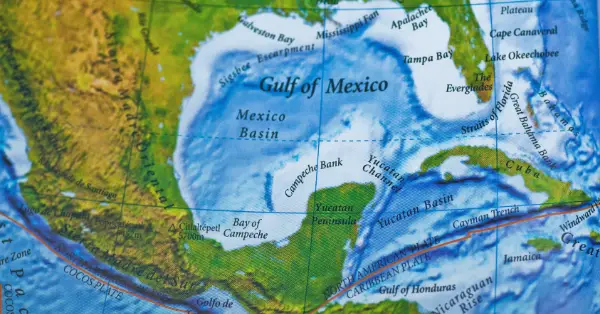
When zooming out, it’s interesting to see that there are no reported shark attacks in the Dominican Republic and Haiti, but on the other side of Puerto Rico towards the Virgin Islands. It’s also noticeable, that more shark encounters were reported in Florida, the Gulf of Mexico, and the Bahamas.
Shark attack risk in Puerto Rico — what the data actually shows
Why Puerto Rico has so few shark incidents compared to Florida and the Bahamas
Two recorded non-fatal incidents since 1990 puts Puerto Rico among the lower-risk shark environments in the entire Atlantic region. Florida typically records multiple shark incidents per year. The Bahamas and Gulf of Mexico have significantly higher encounter rates. Puerto Rico sits well below all of these despite substantial populations of Bull Sharks, Tiger Sharks, and Caribbean Reef Sharks in its waters.
Puerto Rico’s reef systems are healthy and diverse, meaning sharks have abundant natural prey available year-round. Well-fed sharks with access to their natural diet have little incentive to investigate humans. The island’s water clarity is also a relevant factor — most shark incidents worldwide occur in murky or low-visibility conditions where sharks rely on movement and contrast rather than visual identification. Clear tropical waters give sharks a better view of what they are approaching, which reduces mistaken identity encounters significantly.
The lower density of surfers compared to Florida or Hawaii is another factor. Globally, surfers account for a disproportionately large share of shark incidents — from below, a surfboard resembles the silhouette of a large marine animal. Rincon is Puerto Rico’s most active surf destination and does see consistent shark presence nearby, yet documented incidents there remain extremely rare.
Safety precautions for swimmers, surfers, and divers in Puerto Rico
The baseline risk is already low. These precautions reduce it further. Avoid swimming at night and during dawn and dusk, when sharks are most active and feeding. Stay away from areas with active fishing — bait, blood, and discarded fish attract sharks quickly and in numbers. Avoid shiny jewelry in the water. Swim and dive in groups rather than alone.
For surfers at Rincon and other breaks, calm and deliberate movement when a shark is nearby is far more effective than panic. Erratic splashing mimics injured prey. Exit the water slowly. For divers at any of Puerto Rico’s shark dive sites, maintaining awareness of surroundings, never approaching sharks head-on, and following guidance from experienced local operators covers most of what needs to be covered. These are not dangerous waters. They require awareness, not fear.
Best places to find sharks while scuba diving in Puerto Rico
There are numerous spots to find sharks while scuba diving in Puerto Rico, but the most popular one is La Paguera in Arecibo on the northern coast. It’s considered a prime location for Caribbean Reef Sharks, and even Tiger Sharks.
Other destinations include Desecheo Island off the west coast of Puerto Rico, which is home to Bull Sharks and other large species. Mona Island, just west of Puerto Rico, is also a hotspot for diving with sharks. The surrounding waters are full of sharks and rays that can be seen by snorkelers as well as divers.
Shark diving in Puerto Rico — dive sites, species, and what to expect
Mona Island — the best shark diving location in Puerto Rico
Mona Island sits roughly 50 miles west of the Puerto Rican mainland and is as close to untouched Caribbean diving as the region offers. A protected nature reserve with no permanent population, its surrounding waters have experienced a fraction of the fishing and dive pressure that reefs closer to San Juan absorb. The result is an underwater environment of exceptional quality — healthy coral, visibility regularly exceeding 100 feet, and a full complement of large marine life including Nurse Sharks, Caribbean Reef Sharks, Bull Sharks, Tiger Sharks, and Hammerheads.
Wall diving at Mona Island is the main draw for shark encounters. Dramatic vertical reef structures dropping into deep blue water are prime territory for spotting larger species moving through. Hammerhead sightings are most reliable on early morning dives along deeper wall sections before other dive groups enter the water. Getting to Mona requires a boat trip and typically an overnight stay, but for divers specifically seeking sharks in Puerto Rico, it is the obvious first choice.
Desecheo Island — Bull Sharks and Reef Sharks on Puerto Rico’s west coast
Desecheo Island is a protected marine reserve off the west coast near Aguadilla. Lower dive traffic than more accessible sites has helped maintain the quality of its marine life. Bull Sharks and Caribbean Reef Sharks are most commonly encountered here, along with rays, large schools of fish, and occasional Hammerheads. One of the stronger all-round dive sites in the Caribbean regardless of whether sharks are the primary target.
La Paguera, Culebra Island, and east coast sites — accessible shark diving and snorkeling in Puerto Rico
La Paguera on the southwest coast is the most accessible shark diving location on the main island. Caribbean Reef Sharks are a regular presence across the reef systems here, and Tiger Shark sightings have been reported at deeper sections. The reef structure is varied enough to support a range of shark species at different depths, from shallow coral gardens where Nurse Sharks rest on sandy bottom to deeper wall sections where Caribbean Reef Sharks patrol consistently.
Culebra Island, east of the mainland, delivers reliable Caribbean Reef Shark and Nurse Shark encounters in calmer, shallower water than Mona or Desecheo. Accessible to snorkelers as well as divers. Blacktip Sharks are also regularly reported at Culebra’s dive sites. The reefs off Fajardo round out the accessible east coast options, with consistent reef shark sightings and generally good water conditions year-round.
Shark conservation in Puerto Rico and the broader Caribbean
Which shark species found in Puerto Rico are endangered or threatened
Several species that dive through Puerto Rican waters are in serious trouble globally. The Oceanic Whitetip, Scalloped Hammerhead, Great Hammerhead, and Silky Shark are all listed as threatened or endangered on the IUCN Red List. Population declines across all four are driven primarily by commercial overfishing, bycatch in longline tuna and swordfish fisheries, and the shark fin trade. These were not rare species two or three decades ago. The speed of their decline is one of the more troubling conservation stories in Caribbean marine biology.
What threatened status means for divers encountering these species in Puerto Rico today
Encountering a Scalloped Hammerhead or an Oceanic Whitetip on a dive at Mona Island is increasingly a notable event. Divers who spent significant time in Puerto Rican waters 20 or 30 years ago describe encounter frequencies that are simply not replicated today. A site that produces consistent Hammerhead sightings now is doing so with a fraction of the population that was historically present.
Conservation efforts and what responsible shark diving in Puerto Rico looks like
Puerto Rico benefits from US federal marine protections including a ban on shark finning in US waters — a meaningful baseline given that finning is one of the primary drivers of shark population decline globally. Organizations including the Save Our Seas Foundation support research and protection initiatives across the Caribbean, working to build the population data needed to inform effective policy at a regional level.
For visitors, responsible shark diving in Puerto Rico means choosing operators with clear wildlife interaction policies — no feeding, no handling, no baiting for photographs. It means using permitted operators at marine reserves like Mona Island and following reserve guidelines. The sharks encountered on a dive in Puerto Rico are apex predators the reef ecosystem depends on, and their long-term presence in these waters is not guaranteed without continued conservation pressure at both local and international levels.
FAQs about are there sharks in Puerto Rico
Is there shark diving in Puerto Rico?
Yes, shark diving in Puerto Rico is very much possible and popular among experienced divers. The waters around Puerto Rico are home to several shark species, making destinations like La Paguera, Desecheo Island, and Mona Island excellent dive sites for underwater wildlife encounters. Divers typically spot Caribbean Reef Sharks, Bull Sharks, and occasionally Tiger Sharks in these tropical reef and wall diving locations. With proper equipment, safety guidelines, and a knowledgeable tour guide, the experience is considered safe and unforgettable.
Are there shark diving tours available in Puerto Rico?
Shark diving tours are available in Puerto Rico, particularly around popular dive sites like Mona Island, Desecheo Island, and the reefs near Fajardo and Aguadilla. These adventure travel tours cater to both experienced divers and snorkelers looking to encounter Caribbean Reef Sharks, Nurse Sharks, and other marine life in the shallow and deep waters of the Caribbean. Most operators follow strict safety rules and precautions to ensure close encounters remain safe for both humans and the sharks.
What types of sharks are found in Puerto Rico?
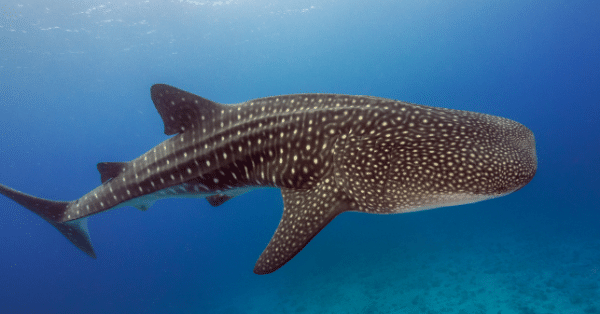
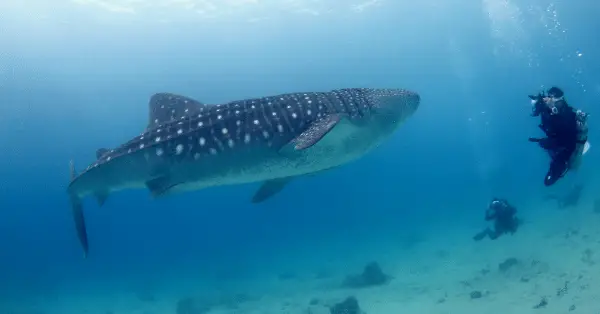
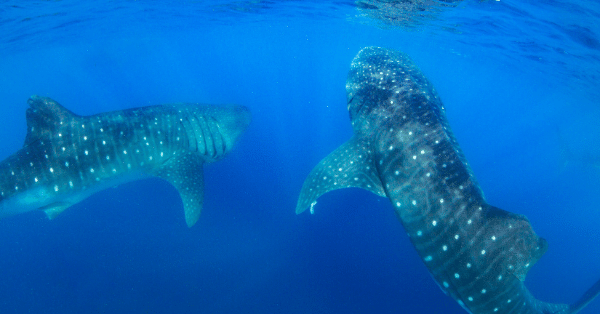
Several shark species are found in Puerto Rico’s waters, with the Caribbean Reef Shark being the most common. Other types include Bull Sharks, Tiger Sharks, Nurse Sharks, Blacktip Sharks, Oceanic Whitetip Sharks, Silky Sharks, Hammerhead Sharks, and Blue Sharks. On rare occasions, Great White Sharks and Whale Sharks have also been spotted. The diverse marine life and coral reef ecosystems around Puerto Rico, the Puerto Rico Trench, and nearby islands like Mona and Culebra make these waters a habitat for a wide variety of shark species.
Are there bull sharks in Puerto Rico?
Bull sharks are present in Puerto Rico and are considered one of the more frequently encountered large shark species in the area. Known for their ability to inhabit both saltwater and freshwater environments, Bull Sharks tend to prefer shallow coastal waters, bays, and lagoons — all of which are abundant around Puerto Rico. They are considered potentially dangerous to humans due to their aggressive reputation and proximity to shore, though unprovoked attacks remain rare in Puerto Rican waters.
Great white shark — are there great white sharks in Puerto Rico?
Great White Sharks are extremely rare in Puerto Rico but not entirely absent. On very rare occasions, Great Whites have been spotted in the waters around Puerto Rico, and there was one recorded non-fatal incident in 1966. Since then, no further Great White shark sightings or attacks have been reported. Great Whites generally prefer cooler waters and are far more common in Florida, the Atlantic, and the Gulf of Mexico than in the warm Caribbean waters surrounding Puerto Rico.
Are Caribbean reef sharks dangerous?
Caribbean Reef Sharks are not considered dangerous to humans under normal circumstances. They are typically docile, non-aggressive creatures that feed mainly on fish and small marine animals, and generally prefer to avoid human contact. Growing up to 8 feet in length, they are the most common shark species encountered by divers and snorkelers in Puerto Rico. However, like all sharks, they may become aggressive if provoked, cornered, or if food is present. Following basic safety guidelines and maintaining respectful distances ensures encounters remain safe.
Is it safe to swim in Puerto Rico?
Swimming in Puerto Rico is generally considered safe. Shark attacks in Puerto Rico are extremely rare — only 2 non-fatal incidents have been recorded since 1990, making the risk to swimmers and surfers very low. While bull sharks, tiger sharks, and other species do inhabit the surrounding waters, unprovoked attacks are unlikely. Travelers and tourists visiting Puerto Rico’s beaches should still exercise standard precautions — avoid swimming at night, stay away from areas where fishing is active, and remain aware of their surroundings — to ensure a safe and enjoyable experience.
Are the sharks in Puerto Rico endangered or going extinct?
Several shark species found in Puerto Rico are classified as endangered or threatened globally. Species like the Oceanic Whitetip Shark, Scalloped Hammerhead, Great Hammerhead, and Silky Shark face significant population declines worldwide due to overfishing, bycatch, and habitat loss. Shark conservation efforts by organizations like the Save Our Seas Foundation aim to protect these apex predators and preserve the biodiversity of Caribbean marine ecosystems. While these species can still be encountered in Puerto Rican waters, their global status makes conservation awareness an important part of responsible diving and marine tourism.
Conclusion
Sharks of Puerto Rico can be found in most island waters, from the Caribbean Reef Sharks to the Bull and Tiger Sharks. Although shark attacks are rare, divers should use caution when exploring these waters and follow guidelines for safe swimming. With a bit of knowledge and understanding about these majestic creatures, visitors to Puerto Rico can have an unforgettable and safe experience with the sea life of this Caribbean paradise.